-
Most traders blow their first account within 90 days. Breakout trading is usually why. They spot EUR/USD breaking above 1.0850 after weeks of consolidation, watch momentum traders rush in, and think it looks easy. But it's not.
Breakout trading is usually the culprit behind early account failures, but it doesn't have to be. Successful breakout trading requires more than spotting a level break.
What Is a Breakout Trading Strategy?
You watch price consolidate for days. Then it explodes.
A breakout trading strategy involves entering trades when price moves decisively beyond a defined support or resistance level with increased volume and momentum. Support represents a price floor where buying interest historically emerges, while resistance acts as a ceiling where selling pressure typically increases. When price breaks these levels with conviction, it often signals the beginning of a new trend or the continuation of an existing one.
The Psychology Behind Breakouts
Market psychology drives breakout effectiveness in ways most traders don't realize. Traders place stop-losses just beyond key levels, creating clusters of pending orders that build like compressed springs. When price approaches these levels, the accumulated orders trigger simultaneously, creating the explosive price movement that defines a true breakout.
Failed breakouts (where price briefly exceeds a level but quickly reverses) trap many retail traders who enter too early without proper confirmation signals. That's a lot of blown accounts.
The key distinction lies between genuine breakouts and false signals. A genuine breakout typically features increased trading volume during the break, price closing beyond the level rather than just touching it, follow-through momentum in subsequent sessions, and a clear catalyst or market driver supporting the move.
How Breakouts Work in Forex Markets
Forex operates 24 hours across global sessions. This creates unique breakout characteristics that stock traders never see.
Major currency pairs like EUR/USD and GBP/USD often experience the most reliable breakouts during session overlaps when liquidity peaks, but timing matters more than most realize.
Session-Specific Breakout Behavior
London session openings frequently produce strong breakouts as European traders react to overnight news. The 8:00 AM GMT hour sees particularly high breakout success rates, especially in GBP pairs responding to UK economic data releases.
New York session openings at 1:00 PM GMT create similar dynamics, particularly affecting USD pairs. The overlap between London and New York sessions (1:00 PM to 5:00 PM GMT) provides optimal conditions for sustained breakout momentum.
Which is exactly when you want to be watching.
Range-bound periods typically occur during Asian session hours when major Western markets are closed. These quieter periods often set up the support and resistance levels that break during more active sessions.
Volume and Momentum Confirmation
Unlike stock markets where volume data flows freely, forex traders rely on momentum indicators to confirm breakout validity. The Average True Range (ATR) helps identify whether a breakout exceeds normal price movement for that currency pair.
A breakout should ideally show ATR expansion, meaning the price movement is larger than typical daily ranges for that pair. This suggests genuine momentum rather than random price noise.
Types of Breakout Patterns Every Trader Should Know
Different chart patterns create distinct breakout opportunities. Each carries unique risk-reward characteristics and success rates.
Rectangle Patterns
Rectangle breakouts occur when price consolidates between parallel support and resistance lines before breaking decisively in either direction. These patterns develop during market indecision periods, like a boxer circling before throwing a punch.
The most reliable rectangle breakouts feature at least three touches of both support and resistance levels, indicating well-established boundaries. Measure the rectangle height to project potential price targets because breakouts typically travel a distance equal to the pattern's height.
Triangle Patterns
Ascending triangles show rising support with flat resistance, often breaking upward. Descending triangles display falling resistance with flat support, typically breaking downward. Symmetrical triangles feature converging trendlines and can break either direction.
But here's the catch: triangle breakouts lose reliability as price approaches the apex (convergence point). The strongest signals occur within the first two-thirds of the pattern's development.
Flag and Pennant Patterns
These continuation patterns appear after strong price moves. Flags show rectangular consolidation, while pennants display small triangular consolidation. Both typically break in the direction of the preceding trend.
Flag and pennant breakouts often produce the fastest, most explosive moves because they represent brief pauses in strong trends rather than trend reversals.
Entry and Exit Techniques for Breakout Trading
Poor timing transforms winning setups into losing trades. Every experienced trader has stories about perfect patterns that failed because of bad execution.
Entry Methods
Immediate breakout entry involves placing buy-stop or sell-stop orders just beyond key levels. This captures the initial momentum but increases false breakout risk. Place these orders 2-3 pips beyond round numbers or obvious technical levels.
Confirmation entry waits for price to break the level, then re-test it as new support or resistance before entering. This reduces false signals but may miss fast-moving breakouts that don't retrace.
Multiple timeframe entry uses higher timeframes to identify breakout levels and lower timeframes to time precise entry points. For example, identify a daily resistance level but use 15-minute charts to enter on the actual break.
Stop-Loss Placement
Position stop-losses based on the pattern that created the breakout. Rectangle breakouts need stops inside the previous range, typically 10-15 pips beyond the broken level. Triangle breakouts require stops below the opposite trendline of the triangle. Flag and pennant breakouts demand stops at the pattern's lowest point (bullish) or highest point (bearish).
Never risk more than 2% of account capital on any single breakout trade. The explosive nature of successful breakouts can create overconfidence, leading to position sizing mistakes that kill accounts faster than bad analysis.
Profit Targets and Exit Strategy
Measured moves project targets based on pattern dimensions. Rectangle height, triangle height, or flagpole length provide mathematical targets for breakout moves.
Support and resistance targets use existing chart levels as profit objectives. Previous support becomes resistance after bearish breakouts, and vice versa.
Trailing stops capture extended moves beyond initial targets, though most traders struggle with this concept because it requires letting winners run while cutting losers short. ATR-based trailing stops work well, allowing profits to run while protecting against sudden reversals.
Consider partial profit-taking at initial targets, then trailing stops on remaining positions to capture any extended momentum.
Choosing the Right Broker for Breakout Trading
Your broker choice directly impacts breakout trading success. Fast execution becomes critical when prices explode beyond key levels, and spread costs can erode profits from smaller breakout moves.
CapitalXtend offers institutional-grade execution speeds and competitive spreads across major currency pairs, making it particularly suitable for breakout strategies. Their ECN model provides direct market access without dealer intervention, reducing the likelihood of re-quotes during volatile breakout periods. The platform supports advanced order types including buy-stops and sell-stops positioned just beyond key levels, essential tools for capturing initial breakout momentum.
When choosing any broker for breakout trading, prioritize execution speed, spread consistency during volatile periods, and robust order management tools over flashy features that won't improve your actual trading results.
Risk Management in Breakout Trading
Breakout trading carries inherent risks that require specific management approaches. False breakouts represent the primary danger, occurring when price briefly exceeds a level but immediately reverses like a trap springing shut.
Position Sizing for Breakout Trades
Use smaller position sizes than typical swing trades due to breakout volatility. Even experienced traders rarely risk more than 1.5% per breakout trade.
The potential for explosive gains justifies reduced position sizing to protect capital during inevitable losing streaks.
Calculate position size based on the distance from entry to stop-loss, not arbitrary percentages. A breakout with a 20-pip stop requires half the position size of one with a 40-pip stop to maintain consistent risk levels.
Managing False Breakouts
Pre-market breakouts during low liquidity periods carry higher false signal rates. Avoid trading breakouts that occur during major holiday periods or extremely quiet market conditions.
News event breakouts require extra caution. While genuine news can create strong breakouts, initial market reactions often reverse as traders digest the information more carefully. Set maximum daily or weekly loss limits specifically for breakout trades because the binary nature of breakout success (they either work spectacularly or fail quickly) can create emotional decision-making without predetermined limits.
Common Breakout Trading Mistakes to Avoid
Even experienced traders fall into predictable traps.
Chasing Breakouts After They've Moved
FOMO entries occur when traders see a breakout developing and enter after significant movement has already occurred. These late entries typically catch the end of the initial move rather than the beginning.
Wait for proper setups rather than forcing trades on breakouts that have already traveled substantial distances. If you missed the initial break, wait for the next opportunity.
Ignoring Market Context
Trading breakouts against major trend direction reduces success rates significantly. A bullish breakout in a strong bearish trend often fails at the next significant resistance level.
Consider the broader market environment. Risk-on periods favor upside breakouts in risk assets, while risk-off environments support downside breaks and safe-haven currency strength.
Inadequate Volume Analysis
In forex markets, use related volume proxies like currency futures volume or tick volume from your platform. Genuine breakouts typically show increased activity across related instruments.
Monitor news calendars for high-impact events that might influence breakout validity, because a breakout just before major economic releases carries different risk characteristics than one occurring during quiet periods.
Breakout Type
Success Rate
Average Move
Best Sessions
Risk Level
Rectangle
65-70%
1.2x pattern height
London/NY overlap
Medium
Ascending Triangle
70-75%
1.5x pattern height
London open
Medium-Low
Flag/Pennant
75-80%
1.8x pattern height
Any active session
Low
News-driven
55-60%
Variable
Event-dependent
High
Key Takeaways
Breakout trading strategy success depends on combining technical pattern recognition with proper risk management and market timing. The explosive potential of genuine breakouts attracts traders, but false signals can quickly erode capital without disciplined approaches.
- Pattern confirmation: Wait for volume expansion and decisive price closes beyond key levels rather than touching them briefly
- Session timing: Focus on London and New York sessions for maximum liquidity and follow-through potential
- Risk control: Never risk more than 1.5% per trade and use ATR-based stops appropriate for each currency pair's volatility
- False breakout protection: Avoid low-liquidity periods and consider confirmation entries over immediate breakout entries
Master these fundamentals before attempting advanced breakout variations, and remember that consistent profitability comes from executing a proven strategy repeatedly rather than constantly seeking new approaches.
FAQ
01. What is the best time to trade breakouts in forex?
The London-New York session overlap (1:00 PM to 5:00 PM GMT) offers optimal breakout conditions due to peak liquidity and institutional participation. London session opens at 8:00 AM GMT also provide strong opportunities, especially for GBP pairs.
02. How do you identify false breakouts before they happen?
Look for weak volume during the break, breakouts occurring during low-liquidity periods, and price failing to close decisively beyond the level. Additionally, avoid trading breakouts that occur just before major news events without clear catalysts.
03. What's the minimum pattern size for reliable breakouts?
Patterns should span at least 20-30 pips in height for major currency pairs to provide meaningful profit potential after spreads and risk management. Smaller patterns often lack the energy to produce sustained moves beyond transaction costs.
04. Should breakout traders use fundamental analysis?
Yes, understanding the underlying economic drivers helps distinguish between temporary technical breaks and genuine trend changes. Major economic shifts, central bank policy changes, and geopolitical events provide the catalysts that power the strongest breakout moves.
How do Interest Rates and Inflation Affect Forex?
Big moves in the forex market don’t happen randomly, they are often driven by key economic factors like interest rates and inflation. These fo...

Best Trading Tools & Resources Every Trader Should Use
Most traders don’t rely on guesswork anymore. They try to understand how the market is moving before making a decision. To achieve this, they...

Forex Market Hours: A Complete Guide to Trading Sessions
The forex market is open 24 hours a day, five days a week, which are its market hours. Within these hours, trading is divided into four major sessio...

What is a Stop-Loss Order? How to Protect Your Trades & Manage Risk
The financial markets can be unpredictable, with prices moving up and down quickly. Even the best strategies can face unexpected changes. In trading...

Support and Resistance Levels: The Ultimate Guide for Traders
When you trade in financial markets, you start seeing patterns. Price does not move up and down randomly but tends to react at certain levels. Somet...

Fundamental vs. Technical Analysis: Know the Difference!
Every trader, whether they’re placing their very first trade or managing a seasoned portfolio, starts with the same question: “Where...

Best Forex Pairs to Trade for Beginners 2026
The first time in the forex market may be daunting. There are hundreds of combinations that form a currency, and a beginner may be at a loss as to w...
What is the 3-5-7 Rule in Trading?
Risk awareness is one of the largest challenges for any person venturing into the financial markets. Most traders do not fail because they do not kn...

Best Day Trading Platform for Beginners
Day trading is now one of the most interesting and thrilling methods of engaging in financial markets, particularly among novices who would want to...

Understanding Interest Rates in Forex Trading: A Guide for Beginners
The interest rate is one of the strongest variables that determine the price of the currency in the forex trade. Being a novice and wanting to learn...

7 Effective Forex Trading Strategies for 2025
In such a dynamic environment in the forex trading industry, a good strategy is...

Boost Your Algorithmic Trading Strategy with Forex VPS Hosting
Fast time is of the essence in the fast world of Forex trading, and more so when you are using an Algorithmic Trading Strategy to run your trades. T...

How do you create a Forex trading bot using ChatGPT?
The forex market is considered to be one of the most liquid and dynamic financial markets in the world. Traders are constantly seeking new means of...

How Economic News Affects Forex Trading?
Economic news is one of the factors that influences the exchange in the forex field. The economy-related events are carefully observed by the trader...

What is Price Action Trading in Forex?
Forex price action trading is the most respectable and time-tested trading strategy in all financial markets. Movement, candlestick patterns, and pr...

Advantages of Using the Best Regulated Brokers for Forex
In recent times, Forex trading has become an exciting way for people to access the global financial markets and benefit from currency movements to g...

The Future of Copy Trading with AI, Bots, and Next-Gen Strategies
Trading is experiencing rapid evolution from the use of new technology and newer techniques. Copy trading has been one of the leading forms of evolu...

AI in Forex Trading: The Benefits and Risks
Forex trading is a lively, fast-paced, worldwide market where technology is more and more important. Forex trading has greatly improved due to the i...

What is Latency? How Does Latency Impact Forex Trading?
Latency is one of those important considerations that are often not spoken about much in online Forex trading. It does not matter whether you are a...

How to Trade Forex Using Crypto
In this fast-evolving financial world, the coupling of crypto with traditional markets has spawned new trading avenues globally. One of the trendy a...

When is the Best Time to Trade the Forex Market?
The Forex market is a volatile global market operating around the clock for five days a week, with opportunity forever knocking on the door for any...

How to Trade Stocks with Leverage 1:5000
Stock trading has never been so simple, and traders now have time-tested methods and advanced technology to capitalize on trading profits. One of th...

Forex MT4 Robot: How to Create and Set Up
In today's fast-paced financial markets, you will find traders searching for tools that will meet their needs. Forex trading has some popular ap...

What is a Forex VPS? Benefits and How to Choose
In today’s era, speed and stability are key to making a potentially profitable trade in currencies. Virtually, a Forex VPS Hosting could be an...

What is Swing Trading in Forex?
Swing trading is an intermediate trading style, a compromise between day trading and longer-term investing. It involves holding onto positions from...

What is Spread in Forex Trading & How is it Calculated?
Forex trading is known as the largest financial market in the entire world and it is a marketplace for everyone who wants to make a potential profit...

What is Base and Quote Currency in Forex
Forex trading is a trading practice of global currencies through trading in pairs all over the world. When you engage in forex trading, you are deal...

Difference Between Copy Trading & Social Trading
In the world of online investing, copy trading, and social trading have emerged as powerful strategies, especially in the forex market. These method...

How to Manage Risk While Copy Trading?
Copy trading has become a popular method that enables traders to copy the transactions of skilled traders. For beginners, it can simplify trading an...

How to Stay Focused and Disciplined in Forex Trading?
In forex trading, there are vast opportunities for traders if they are focused and disciplined. Success in this dynamic market of changing currency...

Tips for Choosing the Right Brokerage Platform for Your Trading Needs
Investors at all levels of experience can find a lot of opportunities in the exciting world of finance. But choosing the right brokerage platform is...

What is a Currency Trading Platform?
Currency trading platforms are software systems that allow traders to participate in trading online currency. They give you a chance to view real-ti...

Exploring the Best Forex Trading Indicators
The use of indicators is crucial while forex trading. Many traders use these indicators daily to help them determine when to buy and sell in the cur...

Types of Hedges and Hedging Techniques
Hedging is like a financial strategy that financial backers should understand and use since it accompanies a lot of advantages. It acts as an invest...
Hedging in Forex Trading
Hedging is a strategic pillar of risk management in the complex world of trading, and understanding its nuances is paramount for any trader navigati...

A Guide to Starting a Hedge Fund and its Benefits
In today’s era, Hedge funds are one of the most well-known investment vehicles. They offer benefits for investors including the ability to pro...

What is Hedging? – An Ultimate Guide
The concept of hedging can be applied to a variety of investments like bonds, commodities, stocks, and currencies. Hedging typically involves the ut...
How to Trade Forex for Beginners
Welcome to the exciting world of Forex investments, where people can make a lot of money by swapping currencies all over the world. The

How to start forex trading?
Forex trading is an exciting market that offers tradable currencies the chance to react to changes quickly through a Forex trading platform. Forex i...
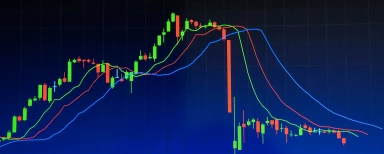
What is Volatility in Forex?
The term 'Volatility' in the context of forex is a measure of the fluctuation in the value of a currency pair over a specific period. It is...

Most Traded Currency Pairs in Forex Market
If we talk about currency pairs then it is imperative to say that their existence in the early 90s gave rise to an entire domain of trading. Nowaday...

Know the Difference between Forex Trading and Stock Trading
The forex trading and the stock trading, are two of the most popular markets for traders of assets. Making the right decision when choosing one of t...

All you need to know about Social Trading: Beginners Guide
Introduction: What is Social Trading? Trading is becoming more and more popular as people now turn to financial markets to provide them...

An Overview to Foreign Exchange Market
Introduction to Foreign Exchange Market The Forex Market (also known as the Forex, FX, or Currency Market) is the over-the-counter (OTC)...

Types of Forex Charts and How to Read
When it comes to trading, there are a lot of different charts that can be used. This article will teach you about the different types of charts and...

5 Profitable Forex Copy Trading Tips
If you're looking for investment alternatives with low-cost and low-risk that also have a higher chance of success rates and rewards, Forex
Know the Top Strategies to Trade Forex in 2022
When it comes to trading foreign currency, it is unquestionably essential to ensure that you have identified the most successful tactics overall. Ke...

Copy Trading Guide and its Advantages and Disadvantages
Getting inspired by colleagues or an expert trader and beginning with trading cryptocurrency sounds incredible. However, it's not that easy; tra...

A Complete Guide to Understand Forex Market!
What is Forex Trading? Forex is the settlement of transactions in any one currency for delivery of another. Its settlement system is ma...

Basic Forex Trading Terminologies Every Trader Should Know?
Trading and investing can be a complicated process. There is a plethora of terms to keep up with, and you need to understand what they mean in order...

Everything You Need to Know About Currency Pairs
What is a currency pair? A currency pair enables the comparison of two distinct currencies' values. Consider the existence of two d...

How Online Financial Trading Works?
How Online Financial Trading Works? With the advent of online financial trading, investors seem to have become more interested in financ...

Best Global Online Forex Broker
The largest and the most actively traded financial market is the foreign exchange market. When it comes to trading in the foreign exchange market, t...

Tips to Understand Online Financial Trading
Tips to Understand Online Financial Trading As in now, every individual wants to invest in some financial asset. Online financial tradin...

What Is Online Financial Trading?
What Is Online Financial Trading – Know the Advantage Investment has now become a lot easier thing than it used to be in earlier t...